Buy socialbookmarking.org ?
We are moving the project
socialbookmarking.org .
Are you interested in purchasing the domain
socialbookmarking.org ?
domain@kv-gmbh.de · 0541-91531010
Buy socialbookmarking.org ?
What is a possessive determiner?
A possessive determiner is a word that is used before a noun to show ownership or possession. Examples of possessive determiners include words like "my," "your," "his," "her," "its," "our," and "their." These determiners indicate who the noun belongs to or is associated with. **
What is a possessive determiner in French?
A possessive determiner in French is a word that indicates ownership or possession. It agrees in gender and number with the noun it is describing. Examples of possessive determiners in French include "mon" (my), "ton" (your), "son" (his/her/its), "notre" (our), and "leur" (their). These determiners are placed before the noun they modify. **


Similar search terms for Determiner
Top-Angebote
Products related to Determiner:
-
Enesco/Dept 56 Sharing the Load Clothtique Red , RedSanta doesn't seem to mind Sharing the Load with a little helper. Dressed in a red and white suit, Santa carries a green bag with gold leafy scroll designs and a list over his shoulder and holds a present in the other hand. The bag has presents,...99,00 $*Shipping: 18,95 $Secure redirect to the provider
-
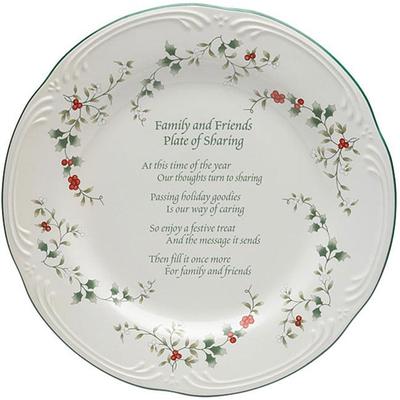
Pfaltzgraff Winterberry 'Family and Friends Plate of Sharing' PlatterCelebrate all through the season with a Winterberry 'Family and Friends Plate of Sharing' plate Serveware is ideal for entertaining and serving Platter has a creamy background with delicately rendered holly branches31,49 $*Shipping: 0,00 $Secure redirect to the provider
-
Uplift Picks Rustic Wooden WiFi Password Sign For Easy Guest Network Sharing Decor Rustic Wooden WiFi Password Sign For Easy Guest Network Sharing DecorWelcome visitors with connection details they can find without asking. This WiFi password sign provides a clear place to display your network name and password while adding rustic charm to the room. The wooden plaque works as practical guest room...45,48 $*Shipping: 0,00 $Secure redirect to the provider
-
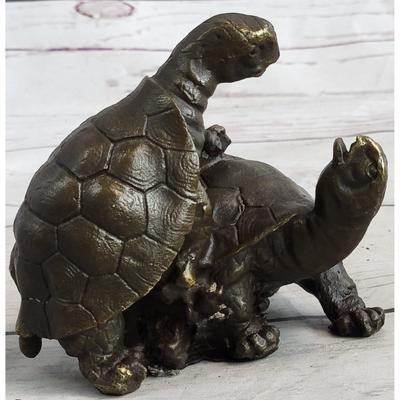
Bronzhaus Adorable Figurine Two Turtle Sharing Love Bronze Statue Sculpture Figure FigureCondition: This sculpture is in perfect condition Bronze Dimensions :Height 3 1/2 inches X Width 3 1/2 inches Weight:1 LBS Inventory:9815M25899 Original or Reproduction: Original Introducing an enchanting bronze figurine that captures the heartwarming…142,99 $*Shipping: 0,00 $Secure redirect to the provider


-
What is a possessive determiner in English?
A possessive determiner in English is a word that is used before a noun to show ownership or possession. Examples of possessive determiners include "my," "your," "his," "her," "its," "our," and "their." These determiners indicate who the noun belongs to or is associated with. Possessive determiners are an essential part of grammar as they help clarify relationships between people or things. **
-
Does French have the demonstrative determiner "cettes"?
No, French does not have the demonstrative determiner "cettes." The correct forms of the demonstrative determiner in French are "cette" for singular feminine nouns, "ce" for singular masculine nouns, and "ces" for plural nouns regardless of gender. "Cettes" is not a standard form in the French language. **
-
Do you capitalize adjectives when they are preceded by a determiner?
In English, adjectives are not capitalized when they are preceded by a determiner. Determiners are words like "the," "a," "an," "this," "my," etc. Adjectives are only capitalized when they are at the beginning of a sentence or part of a proper noun. **
-
Do you write adjectives in capital or lowercase letters when there is a determiner before them?
Adjectives are typically written in lowercase letters when there is a determiner before them. Determiners such as articles (a, an, the), possessive pronouns (my, your, his), and demonstratives (this, that) are usually written in lowercase, while the adjective that follows them is also written in lowercase. This maintains consistency in sentence structure and follows standard grammar rules. **


In French, do you use an apostrophe with the interrogative pronoun "quelle" and the possessive determiner "ma"?
Yes, in French, you use an apostrophe with the interrogative pronoun "quelle" and the possessive determiner "ma" when they are followed by a word starting with a vowel or a silent "h". For example, "quelle est ton adresse?" (What is your address?) and "ma amie" (my friend). **
Why in French is 'l'orange' the fruit with the demonstrative determiner 'cette' feminine and not 'cet', because 'orange' starts with a vowel?
In French, the word 'orange' is considered feminine, regardless of whether it starts with a vowel or a consonant. The choice of the demonstrative determiner 'cette' instead of 'cet' is based on the gender of the noun 'orange', not the initial sound. In this case, 'orange' is feminine, so it is paired with the feminine determiner 'cette'. **
Top-Angebote
Products related to Determiner:
-
Pfaltzgraff Winterberry Sharing Plate, 12 InchAs fall turns to winter, bright holly berries make their appearance. Winterberry by Pfaltzgraff is the holiday classic that brings this timeless motif to life in elegantly sculpted dinnerware and serveware, beautiful glassware, and joyous giftware.22,12 $*Shipping: 0,00 $Secure redirect to the provider
-
Pavilion Sharing with the Dog Silicone Snack BowlMake snack time more fun with this pet-inspired silicone snack bowl featuring a playful dog illustration and humorous sentiment. Durable, portable, and designed with a secure lid, it's perfect for enjoying snacks at home, work, school, or on the go22,19 $*Shipping: 0,00 $Secure redirect to the provider
-
Enesco/Dept 56 Sharing the Load Clothtique Red , RedSanta doesn't seem to mind Sharing the Load with a little helper. Dressed in a red and white suit, Santa carries a green bag with gold leafy scroll designs and a list over his shoulder and holds a present in the other hand. The bag has presents,...99,00 $*Shipping: 18,95 $Secure redirect to the provider
-
Pfaltzgraff Winterberry 'Family and Friends Plate of Sharing' PlatterCelebrate all through the season with a Winterberry 'Family and Friends Plate of Sharing' plate Serveware is ideal for entertaining and serving Platter has a creamy background with delicately rendered holly branches31,49 $*Shipping: 0,00 $Secure redirect to the provider
-
What is a possessive determiner?
A possessive determiner is a word that is used before a noun to show ownership or possession. Examples of possessive determiners include words like "my," "your," "his," "her," "its," "our," and "their." These determiners indicate who the noun belongs to or is associated with. **
-
What is a possessive determiner in French?
A possessive determiner in French is a word that indicates ownership or possession. It agrees in gender and number with the noun it is describing. Examples of possessive determiners in French include "mon" (my), "ton" (your), "son" (his/her/its), "notre" (our), and "leur" (their). These determiners are placed before the noun they modify. **
-
What is a possessive determiner in English?
A possessive determiner in English is a word that is used before a noun to show ownership or possession. Examples of possessive determiners include "my," "your," "his," "her," "its," "our," and "their." These determiners indicate who the noun belongs to or is associated with. Possessive determiners are an essential part of grammar as they help clarify relationships between people or things. **
-
Does French have the demonstrative determiner "cettes"?
No, French does not have the demonstrative determiner "cettes." The correct forms of the demonstrative determiner in French are "cette" for singular feminine nouns, "ce" for singular masculine nouns, and "ces" for plural nouns regardless of gender. "Cettes" is not a standard form in the French language. **
Similar search terms for Determiner
-
Uplift Picks Rustic Wooden WiFi Password Sign For Easy Guest Network Sharing Decor Rustic Wooden WiFi Password Sign For Easy Guest Network Sharing DecorWelcome visitors with connection details they can find without asking. This WiFi password sign provides a clear place to display your network name and password while adding rustic charm to the room. The wooden plaque works as practical guest room...45,48 $*Shipping: 0,00 $Secure redirect to the provider
-
Bronzhaus Adorable Figurine Two Turtle Sharing Love Bronze Statue Sculpture Figure FigureCondition: This sculpture is in perfect condition Bronze Dimensions :Height 3 1/2 inches X Width 3 1/2 inches Weight:1 LBS Inventory:9815M25899 Original or Reproduction: Original Introducing an enchanting bronze figurine that captures the heartwarming…142,99 $*Shipping: 0,00 $Secure redirect to the provider
-
Worst Idea Ever, Just Got Real & Over Sharing: By Jane Fallon 3 Books Collection Set - Fiction - Paperback PenguinTitles in this set: 1. Worst Idea Ever 2. Just Got Real 3. Over Sharing Description: Worst Idea Ever A white lie never hurt anyone, right? . . . Georgia is lying to her best friend Lydia. Just a little white lie - a fake Twitter account to support Lydia's struggling business. No harm meant. But maybe this wasn't Georgia's best idea ever. Because Lydia wants to confide in her new (fake) Twitter friend. About Georgia and her husband Nick, who might be having an affair. Georgia wants out. Except what if it's true? She needs to trick Lydia into revealing all. But there's another possibility. Lydia could be lying right back . . . Has Georgia's worst idea ever turned out to be Lydia's best idea ever? Just Got Real She's faked her profile picture. He's just a fake . . . When happily divorced Joni finds Ant via a dating app, neither is entirely honest about who they are. But when they meet in real life, they fall for each other. Soon they are a happy, steady item. Until Joni discovers Ant is still on the app, still dating other women . . . Having secret rivals devastates Joni. So she decides to take revenge. But not on them. Over Sharing If you can’t have the perfect life, why should she? Social influencer Maddy’s life is picture-perfect. Wholesome videos of her husband and twin girls project the happiest of families. And court the fame she so clearly craves. Iris knows Maddy as the woman who broke up her marriage. Her whole world was turned upside down and she can’t bear the hypocrisy.But there's one thing that might bring back Iris's happiness. Taking away Maddy's . . . Revenge, however, is best served up close and personal. Iris needs to get know to Maddy. Which is when things get very messy indeed . . .15,99 £*Shipping: 2,99 £Secure redirect to the provider
-
Sleep Discovery KitSleep soundly and wake up ready to exceed your daily expectations. Try all 3 of our best-selling sleep gummies to find your perfect sleep solution. Whether you want a gentle THC-free formula, or something a with THC, rest easy –we have a gummy for...29,99 $*Shipping: 0,00 $Secure redirect to the provider
-
Do you capitalize adjectives when they are preceded by a determiner?
In English, adjectives are not capitalized when they are preceded by a determiner. Determiners are words like "the," "a," "an," "this," "my," etc. Adjectives are only capitalized when they are at the beginning of a sentence or part of a proper noun. **
-
Do you write adjectives in capital or lowercase letters when there is a determiner before them?
Adjectives are typically written in lowercase letters when there is a determiner before them. Determiners such as articles (a, an, the), possessive pronouns (my, your, his), and demonstratives (this, that) are usually written in lowercase, while the adjective that follows them is also written in lowercase. This maintains consistency in sentence structure and follows standard grammar rules. **
-
In French, do you use an apostrophe with the interrogative pronoun "quelle" and the possessive determiner "ma"?
Yes, in French, you use an apostrophe with the interrogative pronoun "quelle" and the possessive determiner "ma" when they are followed by a word starting with a vowel or a silent "h". For example, "quelle est ton adresse?" (What is your address?) and "ma amie" (my friend). **
-
Why in French is 'l'orange' the fruit with the demonstrative determiner 'cette' feminine and not 'cet', because 'orange' starts with a vowel?
In French, the word 'orange' is considered feminine, regardless of whether it starts with a vowel or a consonant. The choice of the demonstrative determiner 'cette' instead of 'cet' is based on the gender of the noun 'orange', not the initial sound. In this case, 'orange' is feminine, so it is paired with the feminine determiner 'cette'. **
* All prices are inclusive of VAT and, if applicable, plus shipping costs. The offer information is based on the details provided by the respective shop and is updated through automated processes. Real-time updates do not occur, so deviations can occur in individual cases. ** Note: Parts of this content were created by AI.