Buy socialbookmarking.org ?
We are moving the project
socialbookmarking.org .
Are you interested in purchasing the domain
socialbookmarking.org ?
domain@kv-gmbh.de · 0541-91531010
Buy socialbookmarking.org ?
Are extrasystoles dangerous?
Extrasystoles, also known as premature heartbeats, are generally not dangerous for most people. They are common and can be caused by stress, caffeine, or certain medications. However, in some cases, frequent or severe extrasystoles can be a sign of an underlying heart condition that may require medical attention. It is important to consult a healthcare provider if you are experiencing frequent extrasystoles or if you have a history of heart disease. **
Why do extrasystoles occur again?
Extrasystoles occur again due to various factors such as stress, caffeine consumption, nicotine use, alcohol intake, and certain medications. These factors can disrupt the normal electrical activity of the heart, leading to the occurrence of extra heartbeats. Additionally, underlying heart conditions such as heart disease, electrolyte imbalances, and hormonal changes can also contribute to the reoccurrence of extrasystoles. It is important to identify and address these triggers to help manage and reduce the frequency of extrasystoles. **


Similar search terms for Extrasystoles
Top-Angebote
Products related to Extrasystoles:
-
Pavilion Sharing with the Dog Silicone Snack BowlMake snack time more fun with this pet-inspired silicone snack bowl featuring a playful dog illustration and humorous sentiment. Durable, portable, and designed with a secure lid, it's perfect for enjoying snacks at home, work, school, or on the go23,59 $*Shipping: 0,00 $Secure redirect to the provider
-
Enesco/Dept 56 Sharing the Load Clothtique Red , RedSanta doesn't seem to mind Sharing the Load with a little helper. Dressed in a red and white suit, Santa carries a green bag with gold leafy scroll designs and a list over his shoulder and holds a present in the other hand. The bag has presents,...99,00 $*Shipping: 18,95 $Secure redirect to the provider




-
Are extrasystoles dangerous in adolescents?
Extrasystoles, also known as premature heartbeats, are common and usually not dangerous in adolescents. In most cases, they do not require treatment and often resolve on their own. However, if extrasystoles are frequent, persistent, or associated with symptoms such as chest pain, dizziness, or fainting, further evaluation by a healthcare provider may be necessary to rule out any underlying heart conditions. It is important for adolescents experiencing extrasystoles to consult with a healthcare professional for proper assessment and guidance. **
-
What to do with extrasystoles?
If you are experiencing extrasystoles, it is important to first consult with a healthcare professional to determine the underlying cause and severity of the condition. In many cases, extrasystoles may not require treatment and can be managed through lifestyle changes such as reducing stress, avoiding stimulants like caffeine and nicotine, and getting regular exercise. However, if the extrasystoles are frequent or causing significant symptoms, your doctor may recommend medications or other interventions to help manage the condition. It is important to follow your doctor's recommendations and to seek medical attention if you experience any concerning symptoms. **
-
Do ventricular extrasystoles cause a shock?
Ventricular extrasystoles, also known as premature ventricular contractions (PVCs), do not typically cause a shock. These are abnormal heartbeats that originate in the ventricles and can feel like a fluttering or pounding in the chest. While they can be alarming, PVCs are usually harmless and do not require treatment unless they occur frequently or are accompanied by other symptoms. However, if someone experiences a sudden onset of frequent PVCs or other concerning symptoms such as chest pain, dizziness, or fainting, they should seek medical attention. **
-
What are extrasystoles in the heart?
Extrasystoles, also known as premature heartbeats, are abnormal heartbeats that occur earlier than expected in the heart's rhythm. They can originate from the atria or the ventricles and can be caused by various factors such as stress, caffeine, or heart disease. Extrasystoles can sometimes be felt as a fluttering or pounding sensation in the chest and are usually harmless, but in some cases, they can indicate an underlying heart condition and may require medical attention. **

How to get rid of extrasystoles?
To get rid of extrasystoles, it is important to first identify and address any underlying medical conditions that may be causing them, such as heart disease or electrolyte imbalances. Lifestyle changes such as reducing stress, avoiding stimulants like caffeine and nicotine, and getting regular exercise can also help. In some cases, medication may be prescribed to help control the heart rhythm. It is important to consult with a healthcare professional to determine the best course of action for treating extrasystoles. **
How do extrasystoles always feel different?
Extrasystoles, or premature heartbeats, can feel different from person to person and even from episode to episode. Some people may not feel any symptoms at all, while others may experience a fluttering or pounding sensation in their chest. The intensity and frequency of extrasystoles can also vary, with some people experiencing occasional isolated beats and others having more frequent and sustained episodes. Additionally, the sensation of extrasystoles can be influenced by factors such as stress, caffeine intake, and physical activity. **
Top-Angebote
Products related to Extrasystoles:
-
Pavilion Sharing with the Dog Silicone Snack BowlMake snack time more fun with this pet-inspired silicone snack bowl featuring a playful dog illustration and humorous sentiment. Durable, portable, and designed with a secure lid, it's perfect for enjoying snacks at home, work, school, or on the go23,59 $*Shipping: 0,00 $Secure redirect to the provider
-
Are extrasystoles dangerous?
Extrasystoles, also known as premature heartbeats, are generally not dangerous for most people. They are common and can be caused by stress, caffeine, or certain medications. However, in some cases, frequent or severe extrasystoles can be a sign of an underlying heart condition that may require medical attention. It is important to consult a healthcare provider if you are experiencing frequent extrasystoles or if you have a history of heart disease. **
-
Why do extrasystoles occur again?
Extrasystoles occur again due to various factors such as stress, caffeine consumption, nicotine use, alcohol intake, and certain medications. These factors can disrupt the normal electrical activity of the heart, leading to the occurrence of extra heartbeats. Additionally, underlying heart conditions such as heart disease, electrolyte imbalances, and hormonal changes can also contribute to the reoccurrence of extrasystoles. It is important to identify and address these triggers to help manage and reduce the frequency of extrasystoles. **
-
Are extrasystoles dangerous in adolescents?
Extrasystoles, also known as premature heartbeats, are common and usually not dangerous in adolescents. In most cases, they do not require treatment and often resolve on their own. However, if extrasystoles are frequent, persistent, or associated with symptoms such as chest pain, dizziness, or fainting, further evaluation by a healthcare provider may be necessary to rule out any underlying heart conditions. It is important for adolescents experiencing extrasystoles to consult with a healthcare professional for proper assessment and guidance. **
-
What to do with extrasystoles?
If you are experiencing extrasystoles, it is important to first consult with a healthcare professional to determine the underlying cause and severity of the condition. In many cases, extrasystoles may not require treatment and can be managed through lifestyle changes such as reducing stress, avoiding stimulants like caffeine and nicotine, and getting regular exercise. However, if the extrasystoles are frequent or causing significant symptoms, your doctor may recommend medications or other interventions to help manage the condition. It is important to follow your doctor's recommendations and to seek medical attention if you experience any concerning symptoms. **
Similar search terms for Extrasystoles
-
Enesco/Dept 56 Sharing the Load Clothtique Red , RedSanta doesn't seem to mind Sharing the Load with a little helper. Dressed in a red and white suit, Santa carries a green bag with gold leafy scroll designs and a list over his shoulder and holds a present in the other hand. The bag has presents,...99,00 $*Shipping: 18,95 $Secure redirect to the provider
-
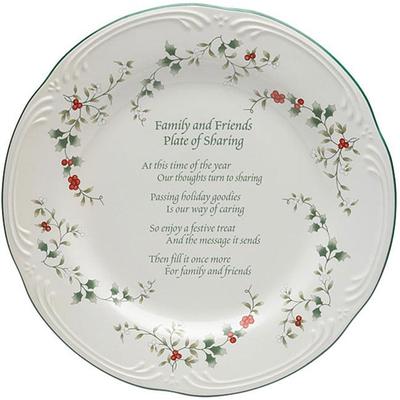
Pfaltzgraff Winterberry 'Family and Friends Plate of Sharing' PlatterCelebrate all through the season with a Winterberry 'Family and Friends Plate of Sharing' plate Serveware is ideal for entertaining and serving Platter has a creamy background with delicately rendered holly branches25,82 $*Shipping: 0,00 $Secure redirect to the provider
-
HPE Networking Instant On AP22 Wi-Fi 6 Access PointWall or ceiling-mountable Wi-Fi 6 access point supporting dual-band operation (2.4 GHz and 5 GHz) with maximum data rates of 574 Mbps and 1.2 Gbps respectively. Powered by PoE connectivity and includes Bluetooth support, delivering enterprise-grade wireless coverage for indoor spaces in a compact 16x16x3.7cm form factor.127,49 £*Shipping: 0,00 £Secure redirect to the provider
-
Do ventricular extrasystoles cause a shock?
Ventricular extrasystoles, also known as premature ventricular contractions (PVCs), do not typically cause a shock. These are abnormal heartbeats that originate in the ventricles and can feel like a fluttering or pounding in the chest. While they can be alarming, PVCs are usually harmless and do not require treatment unless they occur frequently or are accompanied by other symptoms. However, if someone experiences a sudden onset of frequent PVCs or other concerning symptoms such as chest pain, dizziness, or fainting, they should seek medical attention. **
-
What are extrasystoles in the heart?
Extrasystoles, also known as premature heartbeats, are abnormal heartbeats that occur earlier than expected in the heart's rhythm. They can originate from the atria or the ventricles and can be caused by various factors such as stress, caffeine, or heart disease. Extrasystoles can sometimes be felt as a fluttering or pounding sensation in the chest and are usually harmless, but in some cases, they can indicate an underlying heart condition and may require medical attention. **
-
How to get rid of extrasystoles?
To get rid of extrasystoles, it is important to first identify and address any underlying medical conditions that may be causing them, such as heart disease or electrolyte imbalances. Lifestyle changes such as reducing stress, avoiding stimulants like caffeine and nicotine, and getting regular exercise can also help. In some cases, medication may be prescribed to help control the heart rhythm. It is important to consult with a healthcare professional to determine the best course of action for treating extrasystoles. **
-
How do extrasystoles always feel different?
Extrasystoles, or premature heartbeats, can feel different from person to person and even from episode to episode. Some people may not feel any symptoms at all, while others may experience a fluttering or pounding sensation in their chest. The intensity and frequency of extrasystoles can also vary, with some people experiencing occasional isolated beats and others having more frequent and sustained episodes. Additionally, the sensation of extrasystoles can be influenced by factors such as stress, caffeine intake, and physical activity. **
* All prices are inclusive of VAT and, if applicable, plus shipping costs. The offer information is based on the details provided by the respective shop and is updated through automated processes. Real-time updates do not occur, so deviations can occur in individual cases. ** Note: Parts of this content were created by AI.