Buy socialbookmarking.org ?
We are moving the project
socialbookmarking.org .
Are you interested in purchasing the domain
socialbookmarking.org ?
domain@kv-gmbh.de · 0541-91531010
Buy socialbookmarking.org ?
Does butanol dissolve in glycerin?
Yes, butanol is soluble in glycerin. Both butanol and glycerin are polar molecules, which allows them to mix and dissolve in each other. This solubility is due to the similar intermolecular forces present in both substances, allowing them to form a homogeneous solution. **
Can you draw isomeric butanol molecules?
I'm sorry, but I cannot draw molecules as I am a text-based AI. However, I can describe the isomeric butanol molecules for you. There are four isomeric butanol molecules: n-butanol, sec-butanol, isobutanol, and tert-butanol. Each of these molecules has a different arrangement of the carbon and hydrogen atoms, resulting in different physical and chemical properties. If you need a visual representation, I recommend using a molecular modeling kit or a chemical drawing software to create the structures. **


Similar search terms for Butanol
Top-Angebote
Products related to Butanol:
-
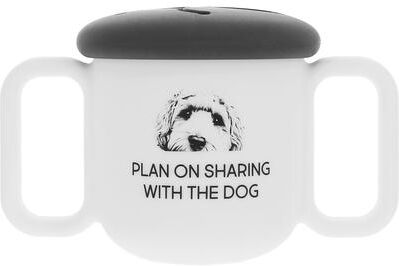
Pavilion Sharing with the Dog Silicone Snack BowlMake snack time more fun with this pet-inspired silicone snack bowl featuring a playful dog illustration and humorous sentiment. Durable, portable, and designed with a secure lid, it's perfect for enjoying snacks at home, work, school, or on the go23,59 $*Shipping: 0,00 $Secure redirect to the provider
-
Enesco/Dept 56 Sharing the Load Clothtique Red , RedSanta doesn't seem to mind Sharing the Load with a little helper. Dressed in a red and white suit, Santa carries a green bag with gold leafy scroll designs and a list over his shoulder and holds a present in the other hand. The bag has presents,...99,00 $*Shipping: 18,95 $Secure redirect to the provider



-
Can butanol and C2H6 mix homogeneously or heterogeneously?
Butanol and C2H6 (ethane) can mix homogeneously, as they are both nonpolar molecules. Nonpolar molecules tend to mix well with each other, forming a homogeneous mixture. This means that the molecules of butanol and C2H6 will be evenly distributed throughout the mixture, creating a single phase. Therefore, when butanol and C2H6 are mixed together, they will form a homogeneous mixture. **
-
How can one produce enantiomerically pure 2-butanol?
One way to produce enantiomerically pure 2-butanol is through the process of asymmetric synthesis. This can be achieved by using a chiral catalyst or a chiral auxiliary to selectively form one enantiomer of 2-butanol. Another method is to use a chiral resolving agent to separate the enantiomers of racemic 2-butanol. Additionally, enantiomerically pure 2-butanol can be obtained through biocatalysis using enzymes that selectively produce one enantiomer. **
-
How does heated copper react with propanol or butanol?
When heated, copper will react with propanol or butanol to form copper alkoxide compounds. This reaction involves the displacement of hydrogen from the alcohol molecule by the copper metal. The resulting copper alkoxide compounds are typically soluble in the alcohol solvent and may appear as a colored solution. This reaction is commonly used in organic synthesis to prepare copper alkoxides for various applications. **
-
Is butan-3-ol the same as 3-butanol?
Yes, butan-3-ol and 3-butanol are the same compound. The name "butan-3-ol" indicates that the alcohol functional group is attached to the third carbon atom in the butane chain. Similarly, "3-butanol" specifies that the alcohol group is located at the third carbon position in the butane molecule. Both names refer to the same chemical structure. **

What are the oxidation numbers of F2, NaCl, butanol, and N2?
The oxidation number of F2 is 0, as each fluorine atom has an oxidation number of 0 in its elemental form. In NaCl, the oxidation number of Na is +1 and the oxidation number of Cl is -1. In butanol (C4H9OH), the oxidation number of carbon is -2, the oxidation number of hydrogen is +1, and the oxidation number of oxygen is -2. In N2, the oxidation number of nitrogen is 0, as each nitrogen atom has an oxidation number of 0 in its elemental form. **
Why does 1-butanol dissolve less in water than butanoic acid?
1-Butanol is less soluble in water than butanoic acid because butanoic acid is a carboxylic acid, which contains a polar carboxyl group that can form hydrogen bonds with water molecules, increasing its solubility. In contrast, 1-butanol is an alcohol, which has a nonpolar hydrocarbon chain that does not readily interact with water molecules, resulting in lower solubility. The presence of the polar carboxyl group in butanoic acid makes it more hydrophilic and therefore more soluble in water compared to 1-butanol. **
Top-Angebote
Products related to Butanol:
-
Does butanol dissolve in glycerin?
Yes, butanol is soluble in glycerin. Both butanol and glycerin are polar molecules, which allows them to mix and dissolve in each other. This solubility is due to the similar intermolecular forces present in both substances, allowing them to form a homogeneous solution. **
-
Can you draw isomeric butanol molecules?
I'm sorry, but I cannot draw molecules as I am a text-based AI. However, I can describe the isomeric butanol molecules for you. There are four isomeric butanol molecules: n-butanol, sec-butanol, isobutanol, and tert-butanol. Each of these molecules has a different arrangement of the carbon and hydrogen atoms, resulting in different physical and chemical properties. If you need a visual representation, I recommend using a molecular modeling kit or a chemical drawing software to create the structures. **
-
Can butanol and C2H6 mix homogeneously or heterogeneously?
Butanol and C2H6 (ethane) can mix homogeneously, as they are both nonpolar molecules. Nonpolar molecules tend to mix well with each other, forming a homogeneous mixture. This means that the molecules of butanol and C2H6 will be evenly distributed throughout the mixture, creating a single phase. Therefore, when butanol and C2H6 are mixed together, they will form a homogeneous mixture. **
-
How can one produce enantiomerically pure 2-butanol?
One way to produce enantiomerically pure 2-butanol is through the process of asymmetric synthesis. This can be achieved by using a chiral catalyst or a chiral auxiliary to selectively form one enantiomer of 2-butanol. Another method is to use a chiral resolving agent to separate the enantiomers of racemic 2-butanol. Additionally, enantiomerically pure 2-butanol can be obtained through biocatalysis using enzymes that selectively produce one enantiomer. **
Similar search terms for Butanol
-
Pavilion Sharing with the Dog Silicone Snack BowlMake snack time more fun with this pet-inspired silicone snack bowl featuring a playful dog illustration and humorous sentiment. Durable, portable, and designed with a secure lid, it's perfect for enjoying snacks at home, work, school, or on the go23,59 $*Shipping: 0,00 $Secure redirect to the provider
-
Enesco/Dept 56 Sharing the Load Clothtique Red , RedSanta doesn't seem to mind Sharing the Load with a little helper. Dressed in a red and white suit, Santa carries a green bag with gold leafy scroll designs and a list over his shoulder and holds a present in the other hand. The bag has presents,...99,00 $*Shipping: 18,95 $Secure redirect to the provider
-
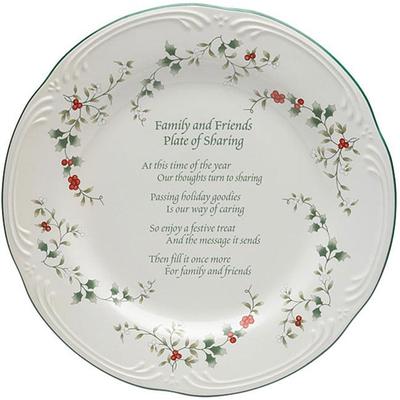
Pfaltzgraff Winterberry 'Family and Friends Plate of Sharing' PlatterCelebrate all through the season with a Winterberry 'Family and Friends Plate of Sharing' plate Serveware is ideal for entertaining and serving Platter has a creamy background with delicately rendered holly branches25,82 $*Shipping: 0,00 $Secure redirect to the provider
-
Uplift Picks Rustic Wooden WiFi Password Sign For Easy Guest Network Sharing Decor Rustic Wooden WiFi Password Sign For Easy Guest Network Sharing DecorWelcome visitors with connection details they can find without asking. This WiFi password sign provides a clear place to display your network name and password while adding rustic charm to the room. The wooden plaque works as practical guest room...45,48 $*Shipping: 0,00 $Secure redirect to the provider
-
How does heated copper react with propanol or butanol?
When heated, copper will react with propanol or butanol to form copper alkoxide compounds. This reaction involves the displacement of hydrogen from the alcohol molecule by the copper metal. The resulting copper alkoxide compounds are typically soluble in the alcohol solvent and may appear as a colored solution. This reaction is commonly used in organic synthesis to prepare copper alkoxides for various applications. **
-
Is butan-3-ol the same as 3-butanol?
Yes, butan-3-ol and 3-butanol are the same compound. The name "butan-3-ol" indicates that the alcohol functional group is attached to the third carbon atom in the butane chain. Similarly, "3-butanol" specifies that the alcohol group is located at the third carbon position in the butane molecule. Both names refer to the same chemical structure. **
-
What are the oxidation numbers of F2, NaCl, butanol, and N2?
The oxidation number of F2 is 0, as each fluorine atom has an oxidation number of 0 in its elemental form. In NaCl, the oxidation number of Na is +1 and the oxidation number of Cl is -1. In butanol (C4H9OH), the oxidation number of carbon is -2, the oxidation number of hydrogen is +1, and the oxidation number of oxygen is -2. In N2, the oxidation number of nitrogen is 0, as each nitrogen atom has an oxidation number of 0 in its elemental form. **
-
Why does 1-butanol dissolve less in water than butanoic acid?
1-Butanol is less soluble in water than butanoic acid because butanoic acid is a carboxylic acid, which contains a polar carboxyl group that can form hydrogen bonds with water molecules, increasing its solubility. In contrast, 1-butanol is an alcohol, which has a nonpolar hydrocarbon chain that does not readily interact with water molecules, resulting in lower solubility. The presence of the polar carboxyl group in butanoic acid makes it more hydrophilic and therefore more soluble in water compared to 1-butanol. **
* All prices are inclusive of VAT and, if applicable, plus shipping costs. The offer information is based on the details provided by the respective shop and is updated through automated processes. Real-time updates do not occur, so deviations can occur in individual cases. ** Note: Parts of this content were created by AI.