Buy socialbookmarking.org ?
We are moving the project
socialbookmarking.org .
Are you interested in purchasing the domain
socialbookmarking.org ?
domain@kv-gmbh.de · 0541-91531010
Buy socialbookmarking.org ?
What is mRNA in food?
mRNA in food refers to the presence of messenger RNA molecules that are naturally occurring in the cells of plants and animals that we consume as food. mRNA is a type of RNA that carries genetic information from the DNA in a cell's nucleus to the ribosomes, where it is used to produce proteins. In the context of food, mRNA is not a cause for concern as it is a normal component of the cells in the food we eat and is broken down during digestion without any known harmful effects. **
Is the mRNA vaccine safe?
Yes, the mRNA vaccines have been shown to be safe and effective in clinical trials and real-world use. The vaccines have undergone rigorous testing and have been authorized for emergency use by regulatory agencies such as the FDA and the European Medicines Agency. Millions of people have received the mRNA vaccines with only rare and mostly mild side effects reported. The benefits of vaccination in preventing severe illness and death from COVID-19 far outweigh the potential risks. **


Similar search terms for MRNA
Top-Angebote
Products related to MRNA:
-
Pavilion Sharing with the Dog Silicone Snack BowlMake snack time more fun with this pet-inspired silicone snack bowl featuring a playful dog illustration and humorous sentiment. Durable, portable, and designed with a secure lid, it's perfect for enjoying snacks at home, work, school, or on the go23,59 $*Shipping: 0,00 $Secure redirect to the provider
-
Enesco/Dept 56 Sharing the Load Clothtique Red , RedSanta doesn't seem to mind Sharing the Load with a little helper. Dressed in a red and white suit, Santa carries a green bag with gold leafy scroll designs and a list over his shoulder and holds a present in the other hand. The bag has presents,...99,00 $*Shipping: 18,95 $Secure redirect to the provider




-
How does mRNA maturation occur?
mRNA maturation occurs through a process called RNA processing. This process involves several steps, including capping, splicing, and polyadenylation. First, a 5' cap is added to the beginning of the mRNA molecule to protect it and help it bind to the ribosome. Then, introns (non-coding regions) are removed through a process called splicing, and the remaining exons (coding regions) are joined together. Finally, a poly-A tail is added to the end of the mRNA molecule to help stabilize it and regulate its translation. These steps ensure that the mRNA molecule is properly processed and ready for translation into protein. **
-
Is mRNA the same as RNA?
mRNA (messenger RNA) is a type of RNA (ribonucleic acid). RNA is a broad category that includes several types of molecules involved in various cellular processes, including mRNA, tRNA (transfer RNA), and rRNA (ribosomal RNA). mRNA specifically carries the genetic information from the DNA in the cell's nucleus to the ribosomes, where it is used as a template for protein synthesis. Therefore, while mRNA is a type of RNA, not all RNA molecules are mRNA. **
-
How long is the lifespan of mRNA?
The lifespan of mRNA can vary depending on the specific mRNA molecule and the cellular conditions. In general, the average lifespan of mRNA in a eukaryotic cell is around 10 hours, but some mRNA molecules can be very short-lived, lasting only a few minutes, while others can be more stable and persist for several days. The stability of mRNA is influenced by factors such as the presence of specific sequences in the mRNA molecule, the activity of RNA-binding proteins, and the cellular environment. **
-
How can DNA be translated into mRNA?
DNA is transcribed into mRNA through a process called transcription. During transcription, the DNA double helix unwinds and an enzyme called RNA polymerase binds to a specific region of the DNA called the promoter. The RNA polymerase then reads the DNA sequence and synthesizes a complementary mRNA strand by adding nucleotides one by one. This process continues until the RNA polymerase reaches a termination signal, at which point the newly synthesized mRNA is released. This mRNA molecule can then be translated into a protein by the ribosomes. **

How can one transcribe DNA into mRNA?
Transcribing DNA into mRNA involves the process of transcription, which takes place in the nucleus of a cell. During transcription, the enzyme RNA polymerase binds to a specific region of the DNA called the promoter and unwinds the DNA double helix. It then uses one strand of the DNA as a template to synthesize a complementary mRNA strand by adding nucleotides according to the base-pairing rules (A with U, T with A, C with G, and G with C). Once the mRNA strand is synthesized, it is processed and then transported out of the nucleus into the cytoplasm for translation into a protein. **
How does the maturation of mRNA occur?
The maturation of mRNA involves several steps. First, the pre-mRNA is processed by removing the non-coding regions, called introns, and joining the coding regions, called exons, through a process called splicing. Then, a 5' cap and a 3' poly-A tail are added to the mRNA to protect it from degradation and facilitate its export from the nucleus. Finally, the mature mRNA is ready to be translated into a protein by the ribosomes in the cytoplasm. This process ensures that only the necessary coding information is present in the mature mRNA for protein synthesis. **
Top-Angebote
Products related to MRNA:
-
Pavilion Sharing with the Dog Silicone Snack BowlMake snack time more fun with this pet-inspired silicone snack bowl featuring a playful dog illustration and humorous sentiment. Durable, portable, and designed with a secure lid, it's perfect for enjoying snacks at home, work, school, or on the go23,59 $*Shipping: 0,00 $Secure redirect to the provider
-
What is mRNA in food?
mRNA in food refers to the presence of messenger RNA molecules that are naturally occurring in the cells of plants and animals that we consume as food. mRNA is a type of RNA that carries genetic information from the DNA in a cell's nucleus to the ribosomes, where it is used to produce proteins. In the context of food, mRNA is not a cause for concern as it is a normal component of the cells in the food we eat and is broken down during digestion without any known harmful effects. **
-
Is the mRNA vaccine safe?
Yes, the mRNA vaccines have been shown to be safe and effective in clinical trials and real-world use. The vaccines have undergone rigorous testing and have been authorized for emergency use by regulatory agencies such as the FDA and the European Medicines Agency. Millions of people have received the mRNA vaccines with only rare and mostly mild side effects reported. The benefits of vaccination in preventing severe illness and death from COVID-19 far outweigh the potential risks. **
-
How does mRNA maturation occur?
mRNA maturation occurs through a process called RNA processing. This process involves several steps, including capping, splicing, and polyadenylation. First, a 5' cap is added to the beginning of the mRNA molecule to protect it and help it bind to the ribosome. Then, introns (non-coding regions) are removed through a process called splicing, and the remaining exons (coding regions) are joined together. Finally, a poly-A tail is added to the end of the mRNA molecule to help stabilize it and regulate its translation. These steps ensure that the mRNA molecule is properly processed and ready for translation into protein. **
-
Is mRNA the same as RNA?
mRNA (messenger RNA) is a type of RNA (ribonucleic acid). RNA is a broad category that includes several types of molecules involved in various cellular processes, including mRNA, tRNA (transfer RNA), and rRNA (ribosomal RNA). mRNA specifically carries the genetic information from the DNA in the cell's nucleus to the ribosomes, where it is used as a template for protein synthesis. Therefore, while mRNA is a type of RNA, not all RNA molecules are mRNA. **
Similar search terms for MRNA
-
Enesco/Dept 56 Sharing the Load Clothtique Red , RedSanta doesn't seem to mind Sharing the Load with a little helper. Dressed in a red and white suit, Santa carries a green bag with gold leafy scroll designs and a list over his shoulder and holds a present in the other hand. The bag has presents,...99,00 $*Shipping: 18,95 $Secure redirect to the provider
-
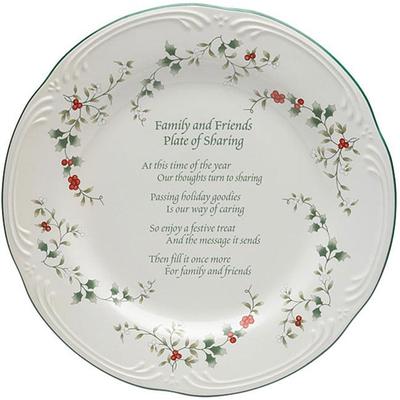
Pfaltzgraff Winterberry 'Family and Friends Plate of Sharing' PlatterCelebrate all through the season with a Winterberry 'Family and Friends Plate of Sharing' plate Serveware is ideal for entertaining and serving Platter has a creamy background with delicately rendered holly branches25,82 $*Shipping: 0,00 $Secure redirect to the provider
-
HPE Networking Instant On AP22 Wi-Fi 6 Access PointWall or ceiling-mountable Wi-Fi 6 access point supporting dual-band operation (2.4 GHz and 5 GHz) with maximum data rates of 574 Mbps and 1.2 Gbps respectively. Powered by PoE connectivity and includes Bluetooth support, delivering enterprise-grade wireless coverage for indoor spaces in a compact 16x16x3.7cm form factor.127,49 £*Shipping: 0,00 £Secure redirect to the provider
-
How long is the lifespan of mRNA?
The lifespan of mRNA can vary depending on the specific mRNA molecule and the cellular conditions. In general, the average lifespan of mRNA in a eukaryotic cell is around 10 hours, but some mRNA molecules can be very short-lived, lasting only a few minutes, while others can be more stable and persist for several days. The stability of mRNA is influenced by factors such as the presence of specific sequences in the mRNA molecule, the activity of RNA-binding proteins, and the cellular environment. **
-
How can DNA be translated into mRNA?
DNA is transcribed into mRNA through a process called transcription. During transcription, the DNA double helix unwinds and an enzyme called RNA polymerase binds to a specific region of the DNA called the promoter. The RNA polymerase then reads the DNA sequence and synthesizes a complementary mRNA strand by adding nucleotides one by one. This process continues until the RNA polymerase reaches a termination signal, at which point the newly synthesized mRNA is released. This mRNA molecule can then be translated into a protein by the ribosomes. **
-
How can one transcribe DNA into mRNA?
Transcribing DNA into mRNA involves the process of transcription, which takes place in the nucleus of a cell. During transcription, the enzyme RNA polymerase binds to a specific region of the DNA called the promoter and unwinds the DNA double helix. It then uses one strand of the DNA as a template to synthesize a complementary mRNA strand by adding nucleotides according to the base-pairing rules (A with U, T with A, C with G, and G with C). Once the mRNA strand is synthesized, it is processed and then transported out of the nucleus into the cytoplasm for translation into a protein. **
-
How does the maturation of mRNA occur?
The maturation of mRNA involves several steps. First, the pre-mRNA is processed by removing the non-coding regions, called introns, and joining the coding regions, called exons, through a process called splicing. Then, a 5' cap and a 3' poly-A tail are added to the mRNA to protect it from degradation and facilitate its export from the nucleus. Finally, the mature mRNA is ready to be translated into a protein by the ribosomes in the cytoplasm. This process ensures that only the necessary coding information is present in the mature mRNA for protein synthesis. **
* All prices are inclusive of VAT and, if applicable, plus shipping costs. The offer information is based on the details provided by the respective shop and is updated through automated processes. Real-time updates do not occur, so deviations can occur in individual cases. ** Note: Parts of this content were created by AI.